Blubber and Books
A storytime about winter
Lesson Plan
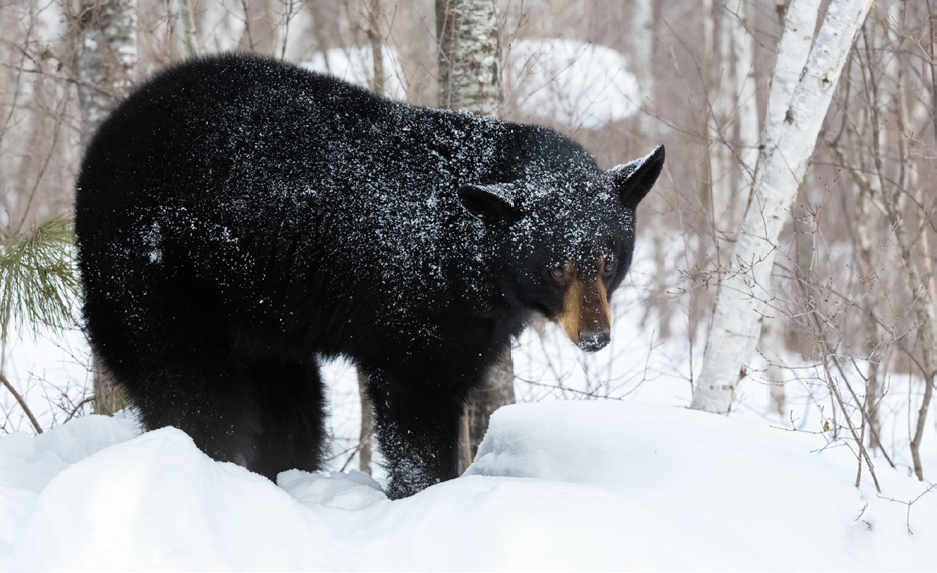
The objective of this lesson is to have children think about the various adaptations that animals make to the cold — some migrate, some hibernate, some adapt by changing their behavior or appearance, and some, like marine mammals, have blubber. The lesson includes an experiment that uses the scientific method to demonstrate how blubber allows animals to stay warm in cold water.
This lesson plan works well with children in preschool through second grade. The lesson lasts from 45 minutes to an hour, based on the number of books read.
Sing
Begin with your favorite welcome song.
Science Chat
Begin by asking the children what fun things they are doing in winter. Perhaps continue
the conversation by asking about what they love and don’t love about winter.
How do we stay warm in the winter? Brainstorm!
What happens outside in winter?
How does winter make us feel? What kinds of things do kids and grown-ups do in winter so we don’t feel cold?
What about animals? What do animals do? (migrate, hibernate, adapt, grow blubber)
- Migrate (go to warmer places): birds, fish, butterflies, elk/caribou
- Hibernate (sleep, lower heart rate): bears, skunks, chipmunks, snakes
- Adapt (change behavior or appearance):
- Squirrels grow a thicker coat of fur
- Snowshoe rabbits change the color of their fur so they can hide in the snow
- Both squirrels and snowshoe rabbits (along with other animals) look for warm places to sleep, like holes in logs
- Some animals even sleep underground (like bees!)
Read
Here are some suggestions from the Wisconsin Water librarians, but feel free to swap out with your own or visit our subject-specific reading list: Winter Fun.
All book descriptions are quoted from the Cooperative Children’s Book Center (CCBC), Booklist Online or Kirkus Reviews.
“Stojic paints this gentle anticipation and enjoyment of a snowfall in breezy, broad strokes. On each spread, an animal comments on the upcoming weather event …” (Kirkus Reviews) For ages 2-5.
“David tries to help his mother with Christmas housecleaning, but his mind swirls with thoughts of the big snow predicted to fall that afternoon… Winter’s chills, rituals and resulting familial closeness, rendered in simple, surprisingly poignant drawings, make this a perennial read at first frost.” (Kirkus Reviews) For ages 2-6.
“In a delightful story about the nocturnal activities of snowmen that is refreshingly original and visually sparkling,… Buehner imagines why snowmen may not look the same as they had the day before. Primary colors delicately form the winter wonderland where the secret, active life of these frozen friends is grinningly revealed.” (Kirkus Reviews) For ages 2-6.
“Florian gives young readers a strong sense of winter through icy images and subdued illustrations rendered in watercolors and colored pencils. His childlike perspective on the snowy season includes poems about sledding, icicles, tracks, snowmen, ice fishing and skating.” (CCBC) For ages 4-10, poetry.
“Bear knows it’s time to crawl into a cave and fall asleep, but first Snail must be told. Snail feels compelled to inform Skunk. Following that pattern Turtle, Woodchuck, and Ladybug also find out that autumn is over. A gentle surprise ending precedes the quiet final page on which all settle into hibernation with a round of ‘good nights.'” (CCBC) Highly Commended, Charlotte Zolotow Award For ages 2-5.
“Tundra swan, snake, snowflake. Bees in their hive, a vole under snow, the fly-high raven and the earth-bound wolf. The lives of these and other creatures in winter are the subject of poems by Joyce Sidman that crackle with cold and sing with warmth.” (CCBC) For ages 6-10, poetry.
“Alarcón writes with playful humor and a full heart about his beloved city of San Francisco, and about winter in the snowladen Sierra Nevada. Specificity of place does not limit the poems’ accessibility, however. They are vibrant, welcoming, and child-friendly. Maya Christina Gonzalez’s energetic, joyful artwork is a perfect accompaniment.” (CCBC) For ages 5-9, Poetry, bilingual [Spanish/English].
“Twenty-five poems evoke possibilities of the season — its weather, bird-watching, skiing, moon, deer, geese, even its germs, as well as its indoor warmth. It’s the warmth that readers of this incomparable anthology can experience, the warmth resulting from reading or hearing superb classic poetry in many voices and forms…” (CCBC) For ages 5-14, poetry.
“Exemplary writing and gorgeous illustrations distinguish an informational picture book about the bar-tailed godwit, whose amazing migratory flight is first undertaken when it’s four months old…” (CCBC) For ages 5-8.
“Although few animals other than polar bears and arctic foxes remain in the Arctic through the winter, they are joined by many other species that migrate to the region during the milder seasons. Whales travel from Mexican lagoons, cranes fly from China, caribou come from Canada, and terns begin their migration in far-away Antarctica.” (CCBC) For ages 5-10.
“‘By the time Old Bear fell asleep for the winter, it was snowing hard.’ But soon Old Bear is dreaming of spring, and in his sleep he is a young bear again, frolicking in colorful flowers. Old Bear’s journey through the seasons and into his youth continues as he sleeps. When he finally awakens, it is to a world made new again by the real arrival of spring, and Old Bear is ready to enjoy it.” (CCBC) Highly Commended, 2009 Charlotte Zolotow Award. For ages 2-6.
“As winter sets in, a momma bear and baby bear get ready for their long winter’s sleep. Teckentrup’s blocky, graphic illustrations, which appear to be a combination of cut-paper collage and digital renderings, gently reveal the autumnal forest and all the bears’ forest friends… A closing note with additional facts about animal hibernation makes this a good choice for science-themed storytimes.” (Booklist Online) For ages 4-7.
“What happens to leaves and flowers, caterpillars and songbirds, field mice and fish, and other living things ‘when winter comes and the cold wind blows’? In a series of lyrical question-and-response verses, Nancy Van Laan conveys ways in which the natural world changes and adapts when the cold and snow arrive.” (CCBC) For ages 3-6.
“While humans engage in winter activities above the snow, all kinds of concealed animal activity takes place beneath.” (CCBC) For ages 4-8, Highly Commended 2010 Charlotte Zolotow Award.
“Very simple and accurate explanations of the various ways insects cope with the cold winter months facilitate easy reading of a colorfully illustrated book of information supplying answers to the common questions about migration and hibernation.” (CCBC) For ages 7-9.
“A guide to the winter environment written by a naturalist-educator suggests projects and collections … Extensive resources are appended.” (CCBC) For ages 7-13.
Sing
Use any song you like adapted to the theme of winter. Here are two suggestions:
Snowman Hokey-Pokey
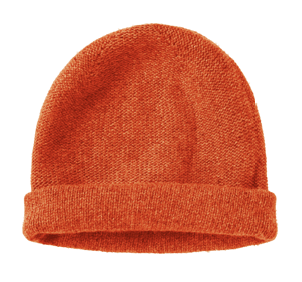
You put your right mitten in.
You take your right mitten out,
You put your right mitten in,
then you shake it all about.
You do the winter pokey, (shiver)
and you turn yourself around.
That’s what it’s all about!
Then continue exchanging “right mitten” for the following in separate verses:
Left mitten… Boots…Scarf…Warm hat… Snow suit…
Snowman Song
(Tune: I’m a Little Teapot)
I’m a little snowman, round and fat. (Point to tummy.)
Here are my mittens (wiggle fingers), here is my hat. (Point to head.)
When the sun comes out I melt away.
See you next year on a snowy day.
I’m a happy fellow, here’s my nose. (Smile and point to nose.)
I’m all snow from my head to my toes. (Point to head and to toes.)
When the sun comes out, I melt away.
See you next year, on a sunny day.
I have two bright eyes so I can see. (Point to eyes.)
All the snow falling down on me. (Wiggle fingers downward.)
When the sun comes out, I melt away.
See you next year, on a sunny day.
When the weather’s cold, I am strong and tall. (Stand tall.)
but when it’s warm, I get very small. (Crouch down.)
When the sun comes out, I melt away. See you next year, on a sunny day.
Do Science
Blubber Test
Simulate the insulating effect of blubber. Adapted from Steve Spangler Science.
Supplies
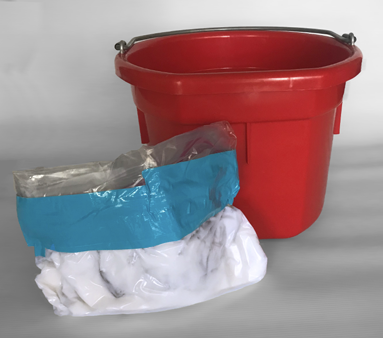
- 2 large Ziploc bags
- Shortening (Crisco or similar)
- Spoon
- Duct tape
- Cold water
- Ice bucket
- Clipboards and pencil
- Timer
How to:
- Make the blubber glove by putting two cups of Crisco (or similar shortening) into a large Ziploc bag. Put your hand inside a second Ziploc bag of the same size as the first and push it into the shortening-filled bag. Spread the shortening around the bags so the inside bag is mostly covered by shortening. Fold the tops of the inside and the outside bags outward (forming a lip) and duct tape the folded part to seal in the shortening.
- Look at the “Scientific Method” and “A Scientist Is…” at the end of this lesson. Explain to the kids that this experiment is imitating the effect of the layer of fat or blubber grown by some animals who live in cold environments, and then testing to see if fat really makes a difference.
- Have the children form a hypothesis as to whether wearing the blubber glove will make a difference in how long they will be able to keep their hands in the ice water. They should be able to predict that the blubber glove will keep their hands warmer, allowing them to stay in the cold water for longer.
- Test the hypothesis by having one child at a time place a bare hand in the bucket of ice water and timing how long the child can keep it there.
- Record results on a record log.
- Repeat the process using the blubber glove!
Note: If you have lots of kids in your group, consider choosing five or six volunteers to test the hypothesis and have some of the others participate by timing the volunteers or recording the times in the log.
Craft: Snowman Ruler
Measure snow!
Supplies
Wooden craft sticks
White paint
Paint brushes
Tacky glue
Rulers
Scissors
Googly eyes
Black markers
Black, orange and red felt
How to
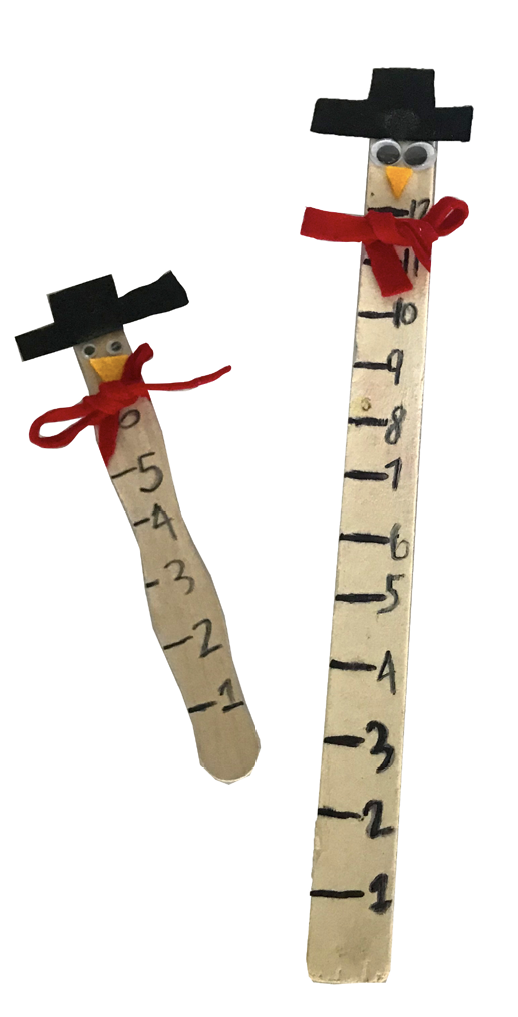
- Paint sticks and let them dry (maybe ahead of time)
- Cut out felt pieces for hat, scarf and nose
- Have children measure out and mark inches on sticks
- Glue and tie felt pieces on
- Add googly eyes