Wisconsin Residents
The Wisconsin Water Library is a resource available to any Wisconsin resident.
The library serves all Wisconsin residents and curates resources especially for Wisconsin parents, educators, and librarians. Although the Water Library is an academic library housed at UW–Madison, it is open to the public. You can request books directly through the Water Library or explore our loanable kits for your learning environment. Both can be delivered free of charge via the statewide Library Delivery Network.
Borrow Materials
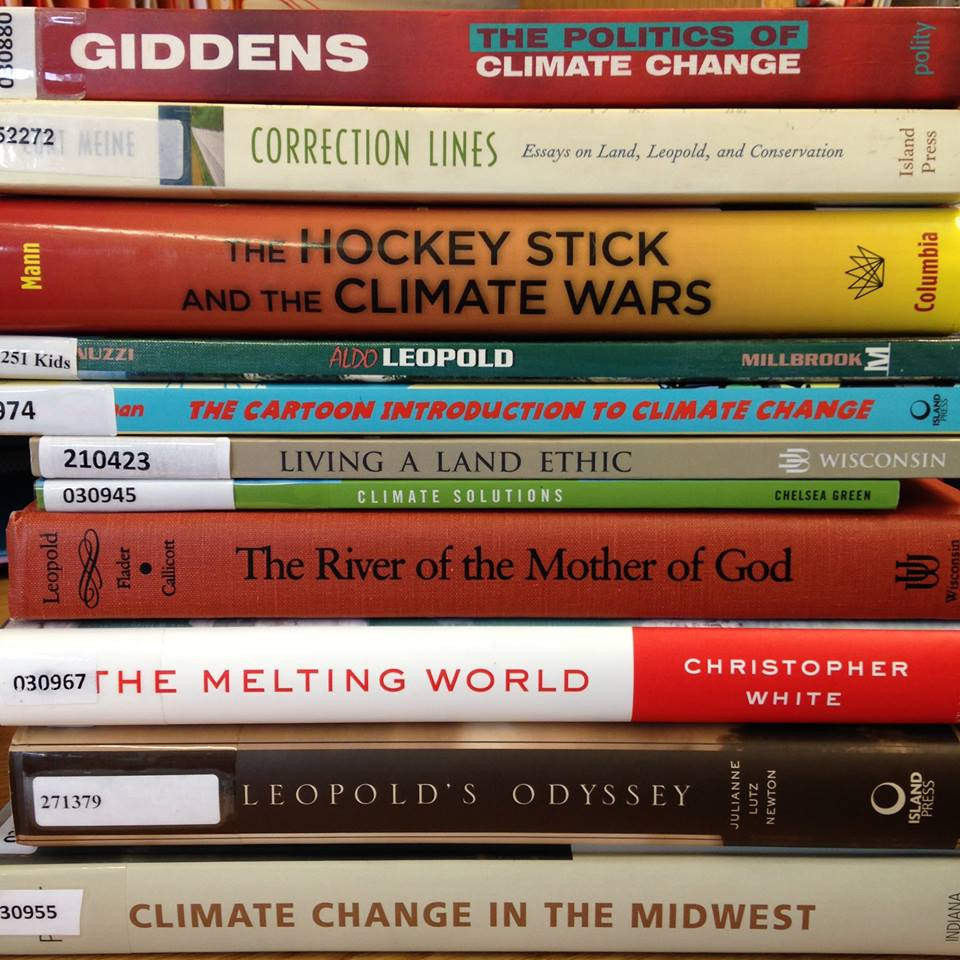
Any adult Wisconsin resident can check out books from the Wisconsin Water Library for free.
Reference Services
The Wisconsin Water Library is happy to help facilitate your research. Get in touch.

Outreach
Staff are available to visit your library or learning environment and present a fun-filled, science-based program on the Great Lakes or the waters of Wisconsin.
Reading Lists
Start your search for one of the Water Library’s books through our curated topical search in the library catalog.
Featured Digital Collections
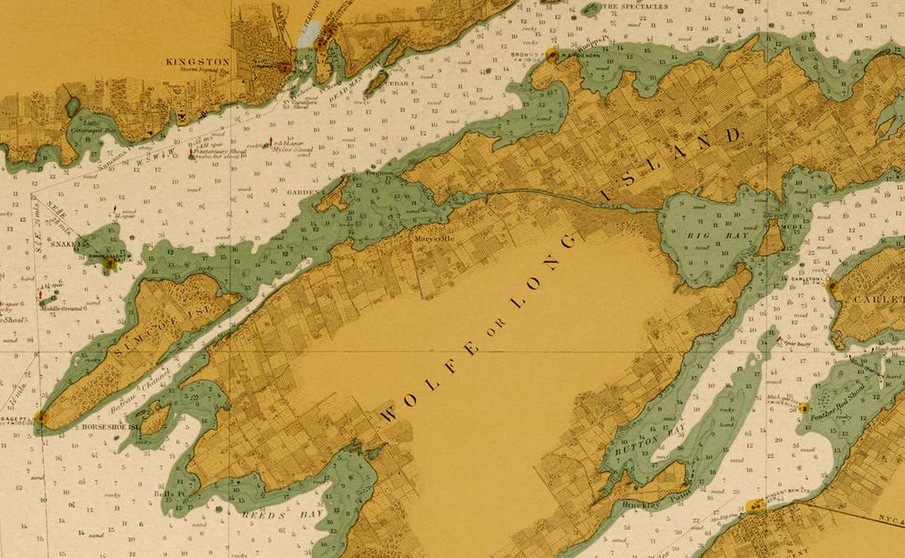
Explore the Wisconsin Water Library’s featured collections.
Book Clubs
Join a community of readers interested in the Great Lakes and Wisconsin waters. All Wisconsin Water Library book clubs take place online and are open to the public.

Librarians & Educators
We also have lesson plans, educational materials, and kits for loan to all types of educators to bring Great Lakes and water literacy to their learners.
Learn more about the waters of Wisconsin
Bordered by two of the Great Lakes — the largest system of fresh water on the planet — Wisconsin has an abundant supply of high-quality water.
Early French explorers called this area “Ouisconsin,” derived from a Native American word meaning “gathering of the waters.” The state’s liquid assets include more than 32,000 miles of perennial rivers and streams, more than 15,000 lakes and more than 5 million acres of wetlands.
The state is framed by water. There are more than 800 miles of Great Lakes shoreline on the north and east, and more than 190 miles of Mississippi River shoreline on the west. It also has an enormous supply of groundwater—an estimated two quadrillion gallons flow in its subterranean depths.